Mint Repel — Wild Mint Rodent Repellent Undercoating
Repel Gel / Mint Repel is a gel-bodied repellent undercoating built around a mentha arvensis (cornmint) and mentha piperita (peppermint) derived formula. It is sprayed or brushed onto the underbody of a camper, RV, trailer, mobile home, or work vehicle as a protective coating — and the mint chemistry in it is something rodents and insects go out of their way to avoid. Not a bait. Not a poison. A coating that smells wrong to them.
Request Pricing & Current TDSWhy Wild Mint, and Why It Has to Be a Gel
Mentha Arvensis — Not a Fragrance
Mentha arvensis is wild mint, sometimes called corn mint. It is the species the commercial menthol trade is built on, and its oil is far sharper than the peppermint in a candle. Rodents navigate and feed by scent at a sensitivity we cannot really picture, and a concentrated mint volatile does not read to them as a pleasant smell to ignore. It reads as a place that is wrong. The formula is built to put that signal where they would otherwise be climbing.
Mentha in the Formula
The other derived component in Repel Gel comes from mentha — cornmint oil. It is there as part of the carrier chemistry, giving the product the body and cling that lets a mint active survive on a moving, weathering underbody instead of flashing off the first warm afternoon. Naturally derived on both sides of the formula.
A Gel Holds What a Spray Loses
Every mint-based deterrent on the market has the same failure mode: the active is volatile, so whatever holds it decides how long it works. Cotton balls and dryer sheets are done in days. Aerosols flash off. Pouches go flat once the paper dries out. Repel Gel puts the actives into a gel that adheres to the underbody and releases slowly instead of all at once.
A Repellent, Not a Rodenticide
There is no bait in this product and nothing for an animal to eat. It works by making a space unattractive, not by killing anything that enters it. That means no traps to check on a stored unit, no bait stations to service on a storage lot, and no carcass in a wall cavity three weeks after you closed the door for the winter.
Dealers Buy It by the Pallet
A growing share of this product goes to camper, RV, trailer and mobile home dealers who apply it before handover, to service departments selling it as a winterization line item, and to storage yards treating whole rows at intake. It works at that scale because there is nothing to service on a schedule — and because it brushes on, a lot porter can do it without a spray rig. Ask about volume pricing and private label.
What Mint Repel Goes On
Campers, RVs, trailers, mobile homes and anything else whose underbody sits still long enough for something to move into it — and anywhere the underbody wanted a coating regardless.
- Camper, RV & motorhome underbodies
- Travel trailers & fifth wheels
- Mobile & manufactured home underbellies
- Truck campers & toy haulers
- Seasonal & winter storage units
- Dealer lot inventory & PDI prep
- Service department winterization add-ons
- Storage facility & RV park fleets
- Work trucks & service vehicles
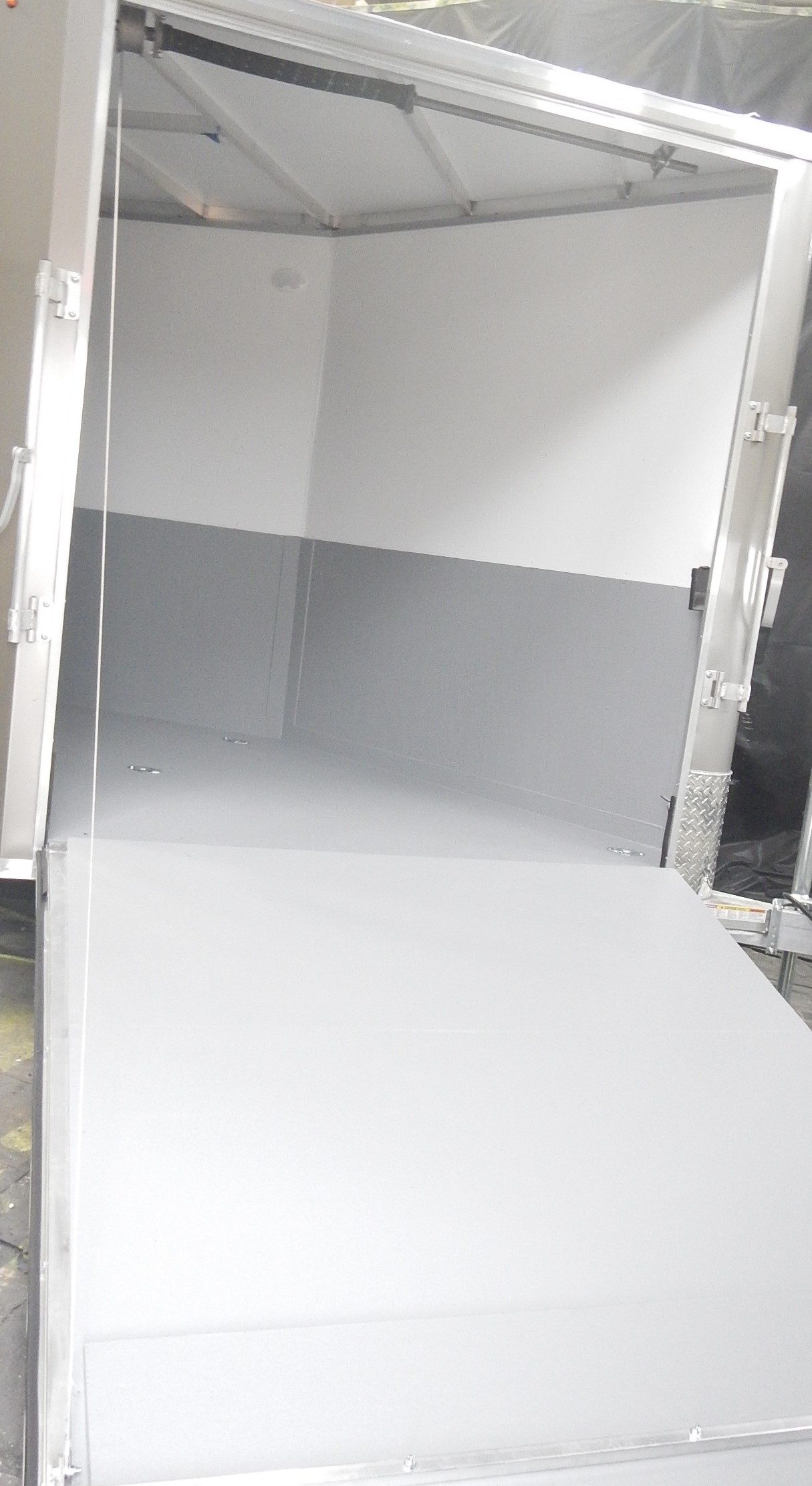
- Utility, cargo & equipment trailers
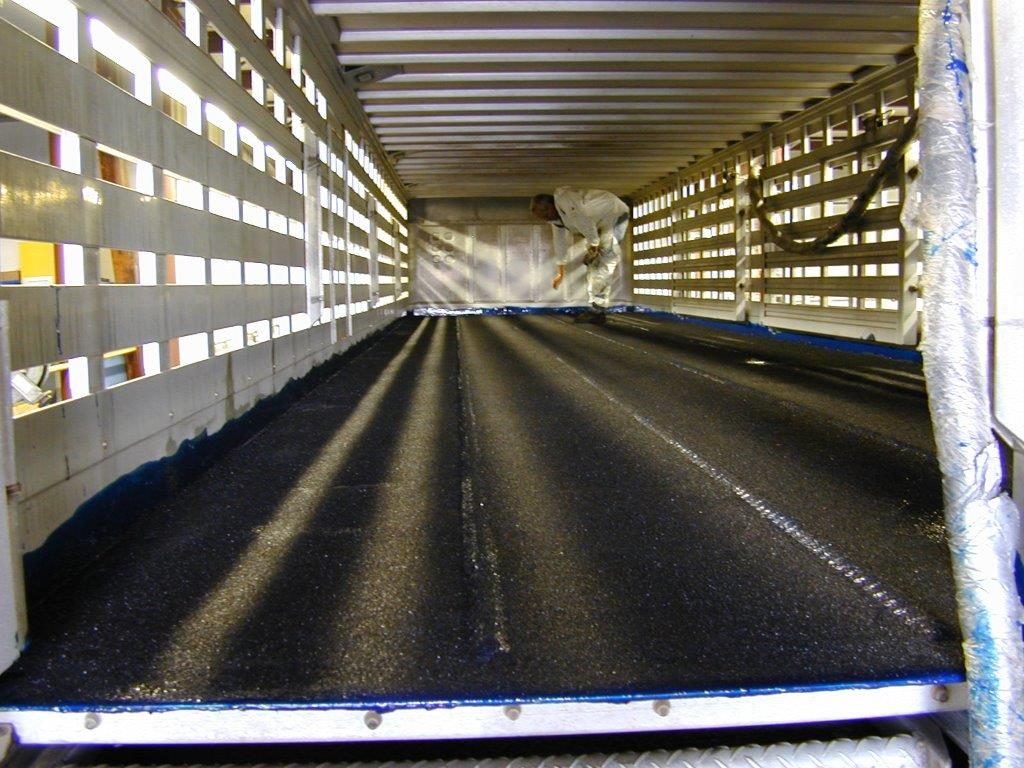
- Horse & livestock trailers
- Classic & collector vehicles
The Repel Gel / Mint Repel Formula
One product, two names you will see it under. Here is what is actually in it and how it behaves.
What a Rodent Is Actually Doing Under Your RV
A mouse is not looking for your camper. It is looking for three things: a place that is warmer than outside, a place that is dark and enclosed, and something to chew. A stored RV supplies all three better than almost anything else on a rural property.
The way in is almost always the underbody — a wiring pass-through, a gap at the belly pan, the slide-out mechanism, a plumbing penetration. Once inside, the chewing is not vandalism, it is biology: rodent incisors grow continuously and have to be worn down. Wiring insulation, foam board, and upholstery batting are all excellent for that.
Scent is the part of that chain you can actually interrupt. They find and assess a space by smell long before they commit to entering it. A concentrated mentha arvensis signal saturating the underbody changes the answer they get. That is the whole idea behind Mint Repel: put the mint where the decision gets made, and hold it there with a gel that does not wash off in the first storm.

What Makes This Different
Why Mint and Not Something Stronger
People ask this constantly, so here is the honest version. Registered rodenticides work, and they come with everything that goes with a poison: a license and label to follow, a dead animal somewhere you cannot reach, and a set of risks you have to manage around pets, kids, and non-target wildlife. For an RV that sits in a storage lot from October to April with nobody checking it, that is a bad trade.
Repellents work on a different principle. They do not remove the population, they move it. For a stored vehicle that is exactly what you want — you are not trying to solve the county's mouse problem, you are trying to make one specific underbody the least attractive place within a hundred feet.
The catch with repellents has always been persistence. Mint oil is volatile by nature, which is precisely why rodents can smell it, and it is also why every homemade mint remedy stops working in a week. The formula question is not does mint deter rodents — it is what holds the mint long enough to matter. That is what the peppermint-oil gel carrier is for.
The Same Chemistry, Applied by the Pallet
Most of this page is written for someone protecting one unit. A growing share of what we ship goes somewhere else entirely: to camper, RV, trailer and mobile home dealers treating units before handover, and to the service departments, storage yards and RV parks that deal with the damage after it happens.
The economics are different on that side. An owner is protecting a vehicle they love. A dealer is protecting a unit they still own, parked next to a field, through a season nobody opens it — and then absorbing the repair when the buyer finds a dead marker light circuit on the delivery walk-through. Chewed harnesses, belly pan insulation and soft goods are diagnostic labor rather than parts, and the discovery date is always the worst one available.
Two things make the mint chemistry workable at lot scale. It is a coating, not a program — nothing to place, service or replace on a schedule your seasonal help will not keep past February. And it can be brushed as easily as sprayed, so a lot porter can treat units without a spray rig or a free bay.
Dealers run it as a pre-delivery value item, as protection on inventory expected to sit, and as a paid line on a winterization or storage-prep ticket. Volume pricing is real, and WatchGuard private label is available if you would rather it carried your name.
Dealer, Service Department & Lot Pricing
Camper, RV, trailer and mobile home dealers: tell us your lot size, unit mix, and roughly how many units a year you would treat. You will get the wholesale schedule, the current technical data sheet, and WatchGuard private-label options. This is a different conversation from a single-unit order, and it should be.
Open a Dealer AccountUnderbody Work

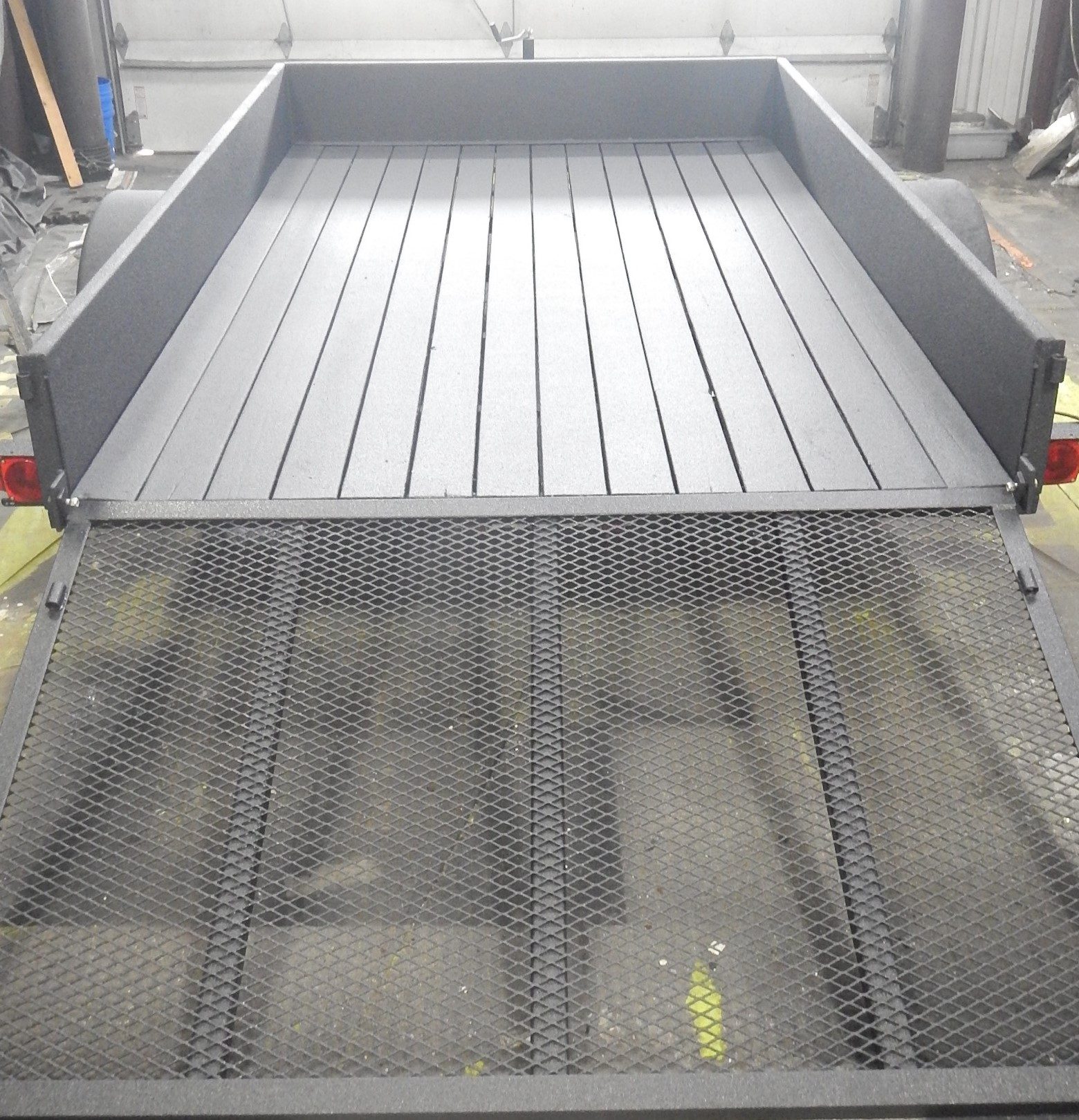
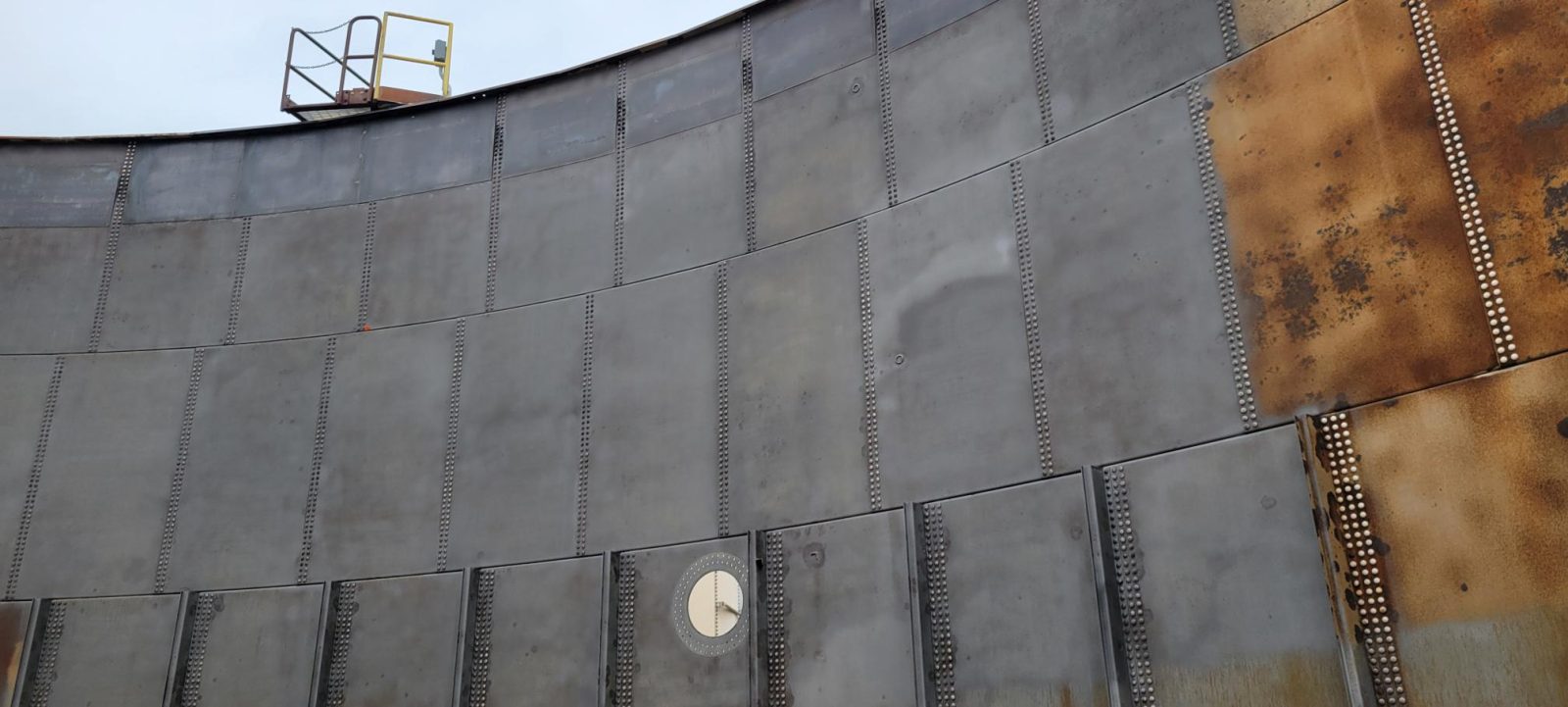
Protecting One Unit?
Coach length, chassis type, and where it sits between trips. You will get material pricing and the current technical data sheet back — coverage, film build, and reapplication interval straight from the source instead of a number we made up for a web page. We will also tell you whether to brush it or spray it.
Request Pricing & TDSRequest Pricing & Current TDS
Tell us about your project and we will follow up with product details, technical data sheets, and pricing.
Frequently Asked Questions
Frequently Asked Questions
What owners, dealers, service departments and storage operators ask us before they order.
The Mint Chemistry
What is mentha arvensis, and why that species?
Mentha arvensis is wild mint, also called corn mint — the species grown commercially for menthol extraction. Its oil is considerably sharper than the peppermint most people have in a garden. That intensity is the point: the product depends on a concentrated mint volatile, not a pleasant background fragrance.
What does the mentha do?
Mentha — cornmint oil — derived components are part of the carrier chemistry that gives Repel Gel its body. The carrier is what holds the mint actives on the underbody and lets them release slowly, instead of flashing off the way a thin spray does. Both halves of the formula are naturally derived.
Why do rodents avoid mint?
Rodents assess spaces primarily by scent. A concentrated mint volatile saturates that channel — it does not just smell strong, it interferes with the information a small prey animal relies on to decide whether a space is safe. Given a choice, they take the space where their senses still work. We would rather describe the mechanism honestly than quote a percentage we cannot stand behind.
Will the whole RV smell like mint?
The product goes on the underbody, not in the living space. You will notice mint when you are under the unit or standing next to it fresh out of the shop, and it settles down considerably from there. Most owners describe the residual as clean rather than strong.
What It Is and Is Not
Is this a poison or a rodenticide?
No. It is a repellent undercoating. There is no bait in it and nothing for an animal to eat. It works by making a space unattractive to enter, not by harming anything that enters it — which is why there is no bait station to service and no carcass to find later.
Is it a coating or a pest product?
Both, honestly, and that is the reason it exists. The gel is applied to the underbody as a protective coating on surfaces that wanted a coating anyway, and the mint chemistry in it deters rodents at the same time. If you were already planning to undercoat, you are getting the deterrence at no extra step.
How does it compare to other underbody repellent coatings?
Same category — underbody-applied rodent deterrent coatings for RVs and trailers. The differences come down to formula and carrier. Ours is built on mentha arvensis (cornmint) and mentha piperita (peppermint) derived chemistry in a gel body, from a manufacturer whose main business is industrial coatings. We would encourage you to compare data sheets rather than take our word for it; ask us for ours.
Do I still need to seal up the holes?
Yes, and anyone who tells you otherwise is overselling. This is one strong layer, not a force field. Close the obvious gaps, keep food out of a stored unit, and use the coating to make the underbody the least attractive option in the lot. Three imperfect layers beat one perfect claim.
Ordering, Coverage & Application
How much do I need for my unit?
That depends on chassis length, underbody configuration, and how much of the belly pan is exposed. Rather than publish a coverage rate that may not match the current formulation, we will send you the technical data sheet as issued and help you work out quantity for your specific unit. Tell us the make, model, and length.
How often does it need to be reapplied?
Any scent-based product depletes eventually — the gel carrier is what stretches that from weeks to seasons. Most owners tie the refresh to their storage cycle and inspect at winterization. The current data sheet carries the actual interval guidance, and we will send it rather than guess here.
Do I need spray equipment to apply it?
No. It can be brushed on. The gel has enough body to be loaded onto a brush and worked onto a surface, including overhead, without running off. Spraying is faster and worth the equipment on a long or complex underbody or a row of units, but it is a speed choice, not a requirement. An owner with a brush and a creeper, or a dealership's lot porter with a bucket, can apply it without buying a rig.
What prep does the underbody need?
Degrease it and let it dry — road film is the number one reason any underbody coating underperforms. Remove loose scale, flaking old undercoat, and packed mud. Fix any active water leak before you coat over it. Then walk the underbody and note every penetration, because those are your coverage priorities.
Do you sell to dealers and storage lots, or only retail?
Both. Individual owners can buy a single unit's worth, and dealers, storage operators, fleets, and manufacturers buy by the pallet at volume pricing. Mention your region and approximate annual volume when you contact us and we will include the schedule and private-label options.
What surfaces and unit types does it go on?
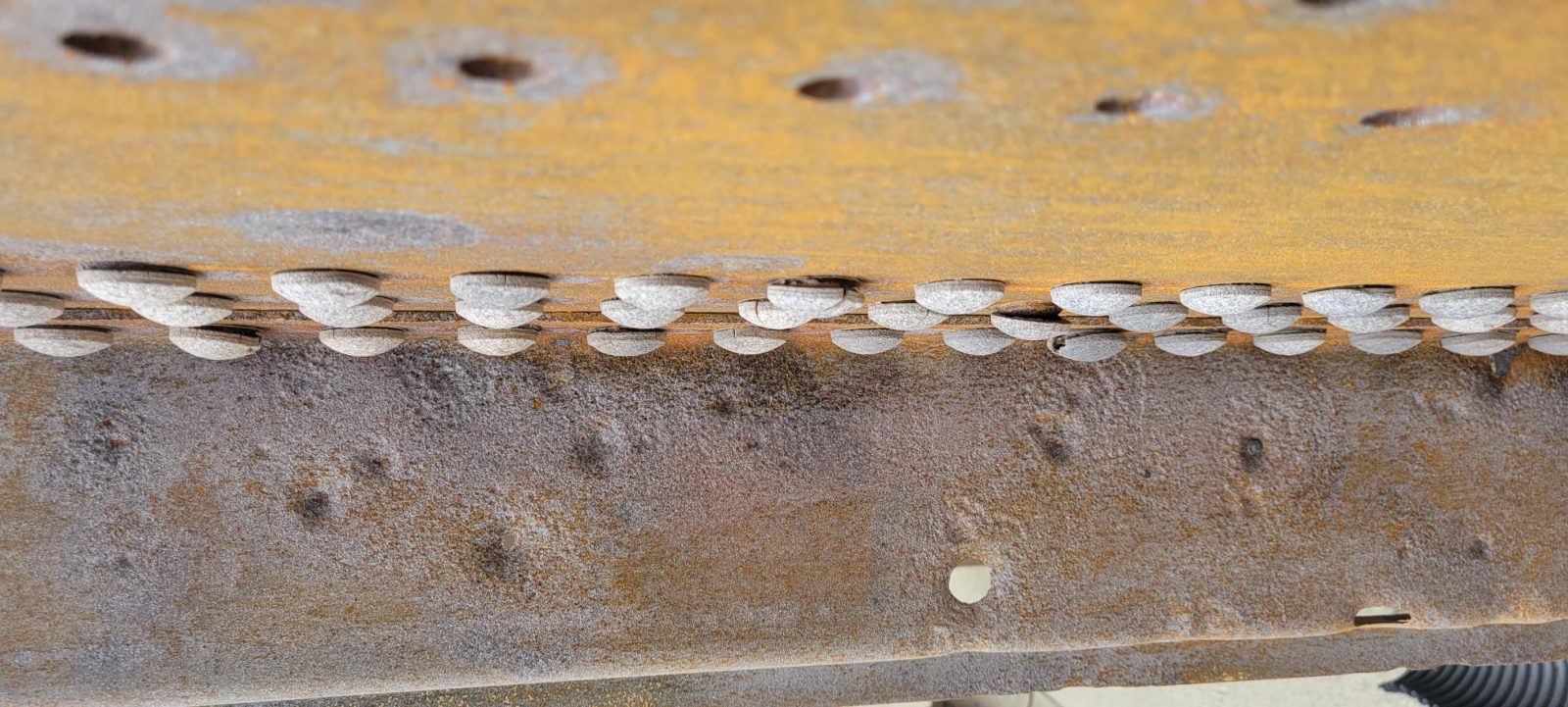
Underbodies — campers, RVs and motorhomes, travel trailers and fifth wheels, utility and cargo trailers, mobile and manufactured homes, and work vehicles and equipment that sit between uses. Frame rails, crossmembers, belly pan or underbelly membrane, wheel well returns, and every wiring and plumbing penetration.
Dealers, Service Departments & Trade Buyers
How do camper and RV dealers actually use it?
Three ways, and most dealers end up doing all three. On receipt, as protection for inventory that will sit through a season on a lot you still own. At PDI, as a dealer-added value item handed over with the unit. And in the service department, as a paid line on a winterization or storage-prep ticket.
Do mobile home dealers use it too?
Yes, and the geometry actually suits it better. A manufactured home's underbelly membrane and crawl space are almost entirely overhead surfaces that nobody inspects, and a skirted home is awkward to get spray equipment under. A brushable gel is applied by a crew with buckets.
Can a service department sell it as an add-on?
That is one of the more common uses. October and November are already booked with winterization work, the prep is the same degreasing your techs already do, and the customer has usually already asked about mice unprompted. Tell us your typical unit mix and we will help you build a per-unit cost so the line prices with a real margin.
What does rodent and insect damage actually cost a dealer?
We will not quote you a figure we cannot stand behind, but the shape of the bill is consistent: it is diagnostic labor, not parts. A conductor chewed partway through works until it does not, so a technician traces an intermittent fault through a loom bundled behind a wall. Add contaminated belly pan insulation, which means dropping the pan, and soft goods that get replaced rather than cleaned. Then add the timing — it surfaces at the delivery walk-through or after handover, which is when it costs the most beyond the invoice.
How do I open a dealer account?
Contact us with your region, lot size, typical unit mix, and approximate annual volume. You will get the wholesale schedule, the current technical data sheet and SDS, and WatchGuard private-label options. We ship single units through pallet volume nationwide.
Still Have a Question?
Ask it directly. You will get an answer from someone who knows the formula, not a script.
Ask a Question